Cybersecurity

Explanatory articles about digital risks, information protection, privacy, system resilience, and common misconceptions about security. This section focuses on understanding threats and principles of protection without providing instructions for abusing vulnerabilities.

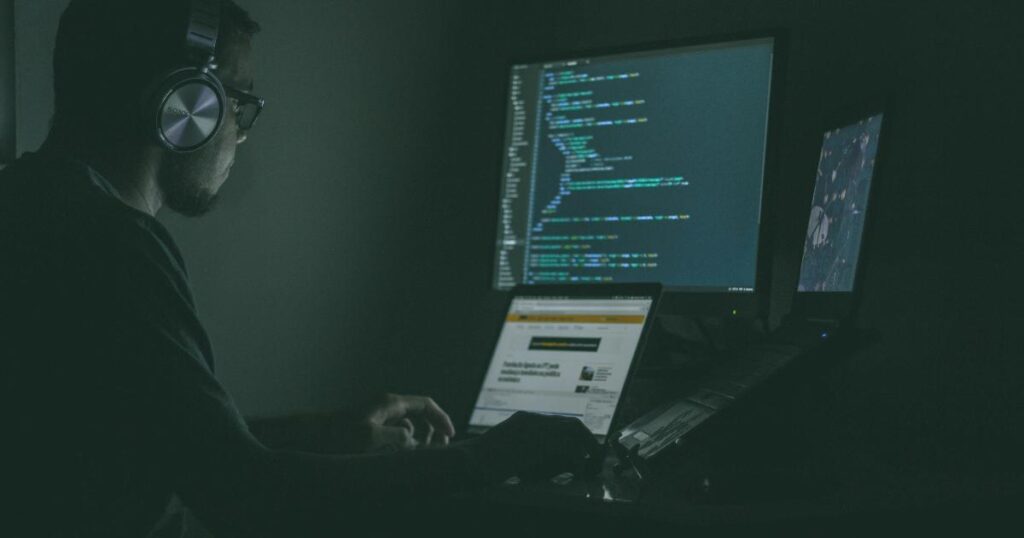
Cybersecurity analyst reviewing alerts on multiple screens, illustrating why the best cybersecurity hires ask why before how
Cybersecurity

Why the Best Cybersecurity Hires Ask “Why?” Before They Ask “How?”

A security team can have impressive tools, a long résumé on every analyst’s LinkedIn, and still miss the one attacker who never triggered an alert. That is not a hypothetical anymore. It is, according to a growing chorus of security leaders and a handful of recent studies, the defining problem of cybersecurity work in the age of AI — and it’s quietly rewriting what companies look for when they hire.

A cybersecurity CISO discussing operational resilience in a boardroom with executives
Cybersecurity

The CISO’s New Job: Less Firewall, More Boardroom

Charles Blauner has spent nearly three decades protecting some of the world’s largest banks from people whose full-time job is to break in. Now, as he looks back from the vantage point of JPMorgan, Deutsche Bank, and Citigroup, he says the hardest part of being a chief information security officer was never really about the technology — it was about getting a chocolate-company executive to care about a server patch.

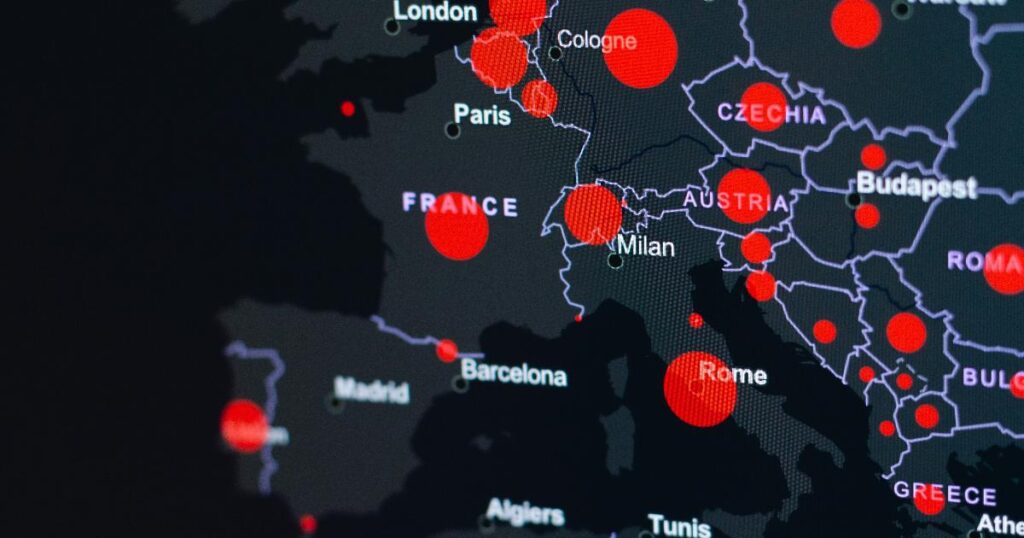
Analyst reviewing European cybersecurity threat maps on a laptop, illustrating the need for a regional cybersecurity lens
Cybersecurity

Why European Cybersecurity Needs Its Own Story, Not a Translated One

When a global security outlet decides a continent deserves its own dedicated coverage, it’s worth asking why. The answer, in Europe’s case, isn’t that the region is somehow more dangerous than North America — it’s that the mix of threats, rules, and market pressures is different enough that treating Europe as a footnote to US-centric reporting leaves defenders with an incomplete picture.

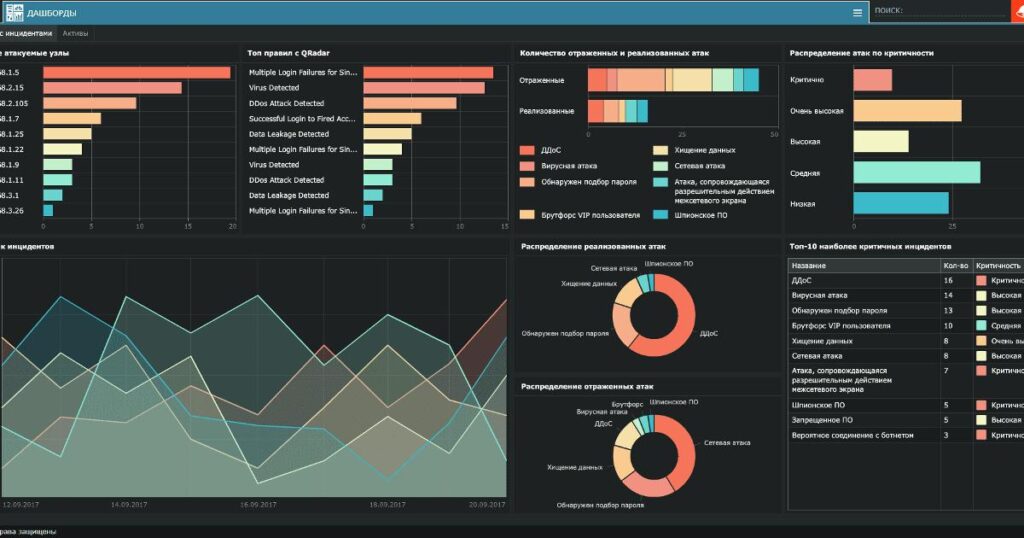
A cybersecurity team reviewing a patch queue dashboard during an AI security risk discussion
Cybersecurity

The Real AI Security Risk Isn’t Smarter Hackers — It’s Your Patch Queue

When people hear that a frontier AI model can chain together the steps of a cyberattack faster than a human expert, the instinctive reaction is fear: robots are coming for our firewalls. But the more useful question isn’t whether AI can find a way in — it’s whether your organization can find out, decide what matters, get the right person to approve a fix, and actually deploy it before the window of exposure closes. That unglamorous sequence of tasks, not some cinematic AI-versus-AI showdown, is where the next few years of cybersecurity will actually be decided.

A person reviewing privacy settings on a smartphone, showing practical digital footprint management and online privacy controls
Cybersecurity

Your Digital Footprint Is Bigger Than You Think — Here’s How to Actually Manage It

A few taps on your phone — a search, a “like,” a quick sign-up for a discount code — can leave behind more information about you than you ever consciously decided to share. Most people picture online privacy as a battle over the things they post: a photo, a comment, a profile. But a large share of what companies know about you was never typed into a box at all. It was collected quietly, in the background, while you were doing something else entirely.

A USB recovery drive beside a laptop, representing a Windows recovery drive used to repair boot problems
Cybersecurity

The USB Stick That Doesn’t Save Your Files but Might Save Your Weekend

Picture the moment a routine Windows update finally forces that reboot you’ve been postponing for days — and instead of your desktop, you get a spinning wheel, a restart, another spinning wheel. No login screen, no explanation, just a loop. For one user who wrote about the experience, that moment came after a cumulative update, and the fix wasn’t a miracle — it was a $0 USB stick made months earlier, sitting unused in a drawer.

Scroll to Top