Infrastructure

A section about networks, data centers, processors, telecommunications, and the technical foundations of digital services. The articles show which physical and organizational systems stand behind familiar technologies.

A server room view illustrating a GitHub outage caused by a hidden bottleneck in cloud infrastructure
Infrastructure

Inside GitHub’s Seven-Hour Outage: How a Hidden Bottleneck Cascaded Into a Global Slowdown

On August 17, developers around the world watched pull requests stall, sign-ins fail, and Copilot suggestions time out — not because anyone shipped broken code, but because a piece of infrastructure quietly ran out of room. The incident lasted 7 hours and 47 minutes, and by the time GitHub’s status page finally turned green, it had touched authentication, Actions, APIs, issues, pull requests, and its AI coding assistant. For a platform that hosts the daily work of millions of engineers, that is not a minor hiccup. It is a reminder that “the cloud” is really a chain of interdependent machinery, and chains break at their weakest link.


Full fibre and 5G network infrastructure showing layered connectivity across homes, tunnels, and remote areas
Infrastructure

Britain’s Invisible Infrastructure: Why One Network Is No Longer Enough

Most people only think about the network behind their phone or laptop when it stops working — when a video call freezes, a train tunnel goes silent, or a storm knocks out the router. Yet behind that everyday convenience sits one of the most consequential engineering stories in modern Britain: a decades-long shift from a single telephone system to a patchwork of overlapping networks, each built to solve a problem the others cannot.

Laptop screen showing Windows and Linux security concepts, highlighting the real cost of an operating system
Infrastructure

The Real Price of an Operating System Isn’t on the Sticker

Your laptop probably still works fine. It boots, it browses, it runs your spreadsheets. But if it’s a few years old, there’s a decent chance Windows has started nagging you about an upgrade you can’t complete — because a chip called TPM 2.0 either isn’t there or isn’t switched on. That single requirement has turned an abstract debate about operating systems into a very concrete question for millions of people: what, exactly, am I paying for when I pay for Windows, and what am I getting for free when I don’t?

Home network access point powered by Power over Ethernet in a practical installation
Infrastructure

When Your Home Network Outgrows the Router in a Box

There’s a moment in a lot of households when Wi-Fi stops being a single purchase and starts being a project. Maybe it’s a smart-home habit that ballooned to dozens of devices, a work-from-home setup that needs a dead reliable connection in a converted garage, or just the slow realization that the mesh system you bought three years ago still has a “dead zone” no amount of app-fiddling will fix. That’s the moment worth pausing on, because the fix that seems obvious — buy a bigger, newer mesh kit — isn’t always the cheapest or the smartest one anymore.

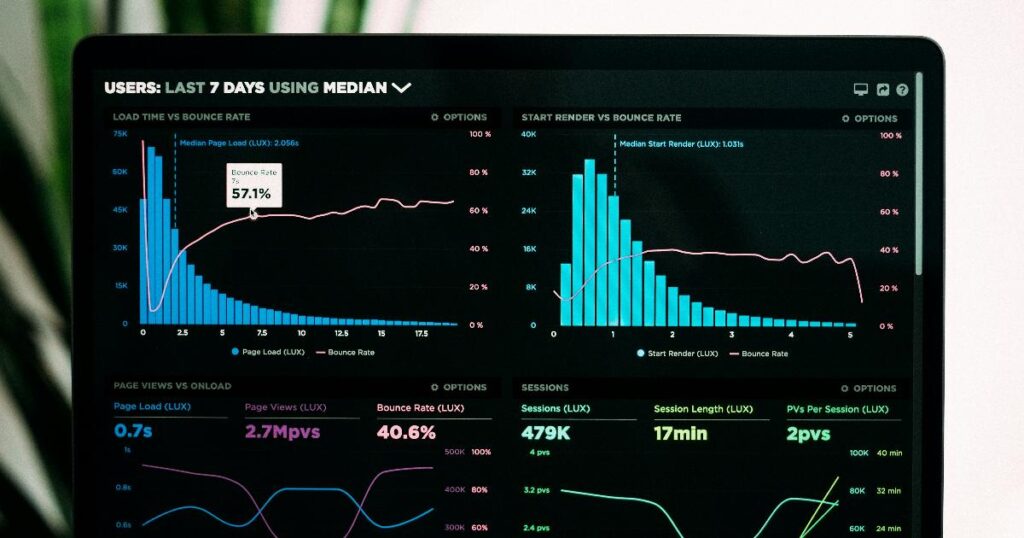
Engineers reviewing a cloud migration dashboard to reduce infrastructure maintenance and deployment overhead
Infrastructure

The Hidden Third of an Engineer: What One Team Learned by Leaving AWS

Imagine paying a full-time salary for someone whose only job is to keep the lights on — never touching the product, never shipping a feature customers see. Most small teams would say they can’t afford that. Yet a growing number of them are running exactly that setup, quietly, without ever seeing a line item for it. A seven-person internal tools team discovered this the hard way, and their story is a useful lens for anyone wondering why “we already have a solid AWS setup” isn’t always the end of the conversation.

Scroll to Top