Artificial Intelligence

This section explains how artificial intelligence models, machine learning, generative systems, and automation work. The articles help readers understand the capabilities, limitations, and real-world use cases of AI without exaggeration.

A developer reviewing an AI agent workflow inside a secure sandbox environment, illustrating the need for containment
Artificial Intelligence

When Software Stops Waiting for Instructions

Ask a chatbot to fix a bug in your code, and it will describe how to fix it. Ask an AI agent to fix the same bug, and it might actually open the file, change the code, run the test suite, and submit the pull request — without asking you first. That shift, from describing action to taking it, is the whole story behind the sudden explosion of interest in “AI agents.” It’s also why the conversation about them has quietly moved away from “which model is smartest” and toward a much less glamorous question: what, exactly, is this thing allowed to touch?

A smartphone battery settings screen showing dark mode, refresh rate, and always-on display options that affect battery life
Artificial Intelligence

The Battery Settings That Actually Matter — and the Ones That Are Mostly Placebo

Every phone owner has heard the folklore: close your apps, turn off Bluetooth, disable location services. Most of it does almost nothing. But buried in the display menu are a handful of settings that genuinely change how far a charge stretches, because the screen is usually the single hungriest component in the phone. The trick is knowing which of these settings work because of hardware physics, and which ones just feel more efficient without actually saving much.

A laptop showing a business workflow diagram, highlighting how AI-generated workflows can create security risks in Microsoft 365
Artificial Intelligence

The Workflow That Worked Perfectly — and Still Broke Security

A security analyst at a large enterprise recently discovered something odd: sensitive HR documents sitting inside a Microsoft Teams channel that hundreds of employees could open. No hacker had broken in. No password had been stolen. The cause was a document-approval automation, built with the help of an AI assistant, that quietly moved files from SharePoint into Teams — and did its job exactly as asked.

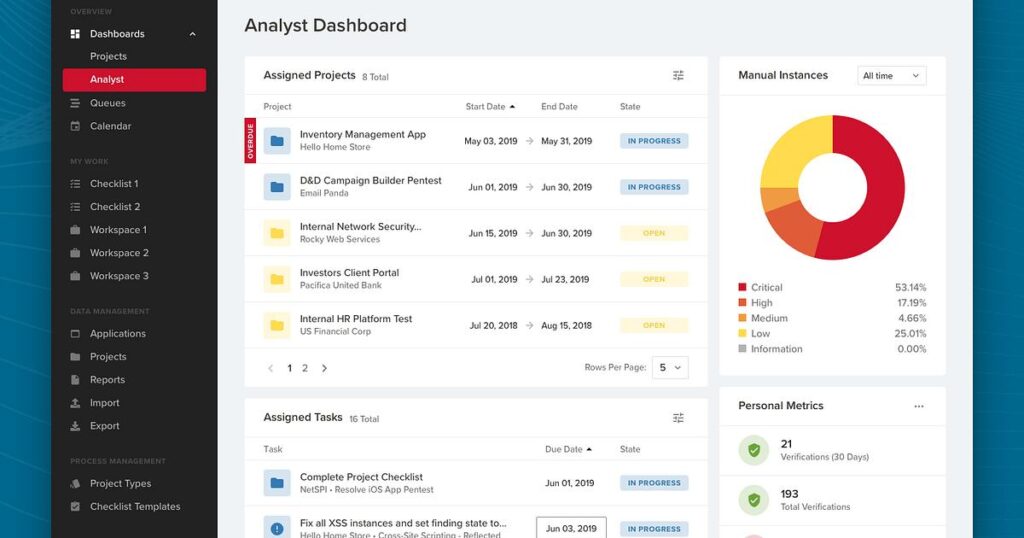
Security analyst reviewing autonomous AI pentesting results on a laptop dashboard
Artificial Intelligence

Why Security Teams Are Pulling Back from Autonomous AI Pentesting

A year ago, nearly one in three security professionals believed that fully autonomous AI systems could handle their organization’s penetration testing needs. Today, that number has collapsed to just 9%. The speed of that reversal is telling — not because AI-powered security tools have stopped improving, but because the gap between what they were marketed to do and what they actually deliver in practice has become impossible to ignore.

Scroll to Top