
Digital Society

Articles about the impact of technology on professions, education, media, everyday habits, and public institutions. This section helps readers understand the social consequences of digital change and the questions that remain open.

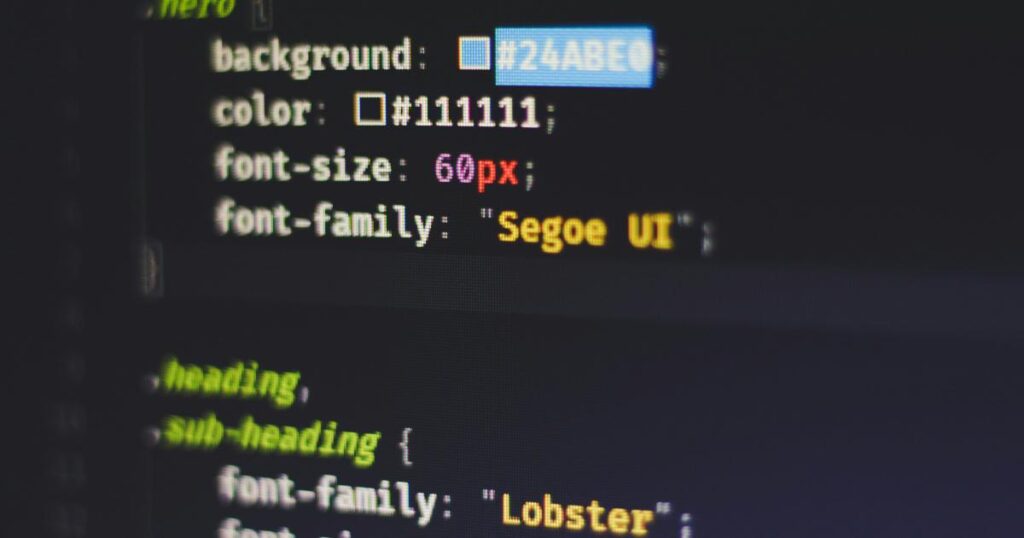
A front-end developer reviewing a CSS features dashboard and browser compatibility notes on a laptop screen
Digital Society

CSS Developers Love Features They Can’t Actually Use Yet

There’s a peculiar kind of heartbreak familiar to anyone who writes CSS for a living: falling for a feature, reading the docs, testing it in one browser, and then discovering it quietly breaks in another. The 2026 State of CSS survey, gathered from 4,902 respondents between May and June this year, captures this exact tension in numbers. It’s a snapshot of a language that keeps getting more powerful while the ground beneath it — the patchwork of browser engines that actually render it — stays stubbornly uneven.

A person struggling to complete a digital government form on a smartphone with poor connectivity, illustrating digital government usability issues
Digital Society

When “Online” Isn’t the Same as “Usable”: The Real Test for Digital Government

Picture someone trying to renew a Pension Credit claim on a cracked phone screen, using pay-as-you-go data, in a kitchen where three other people are asking for the wifi password. The service exists. It is, technically, online. And yet, for that person, it might as well not be — because logging in fails, the form times out, and there is no clear way to get help. This is the quiet problem sitting underneath Britain’s push toward digital-first government: a service can be fully digitised and still fail the very people it was built to reach.

Scroll to Top