Cybersecurity

Explanatory articles about digital risks, information protection, privacy, system resilience, and common misconceptions about security. This section focuses on understanding threats and principles of protection without providing instructions for abusing vulnerabilities.

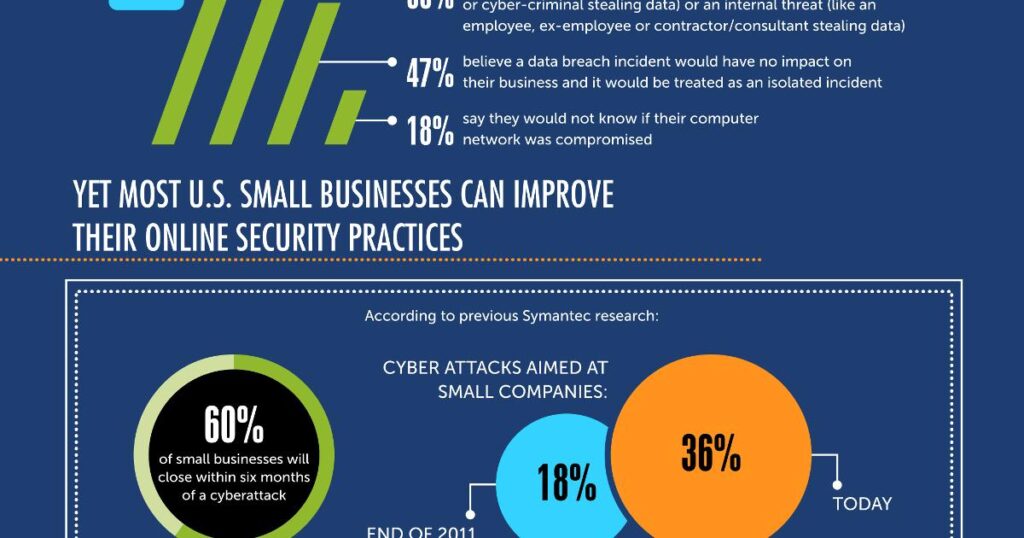
A small business owner reviewing cybersecurity alerts, illustrating how the cybercrime survey shifts risk toward SMBs
Cybersecurity

Fewer Victims, More Fallout: What Australia’s 2025 Cybercrime Survey Really Shows

Imagine two neighbours in the same suburb. One runs a household budget, banks online, scrolls social media — and this year faces a slightly lower chance of being scammed, hacked, or harassed than last year. The other runs a small accounting firm from the spare room, and this year faces a much higher chance of legal headaches, staff turnover, and sleepless nights if a cyber incident hits. Both live under the same laws, use the same internet, and read the same headlines about falling cybercrime. Yet their experiences of risk are moving in opposite directions — and that split is not an accident. It’s a signal of how digital protection is being rebuilt.

A person reviewing a domain registration screen and privacy settings, illustrating domain privacy in cybersecurity
Cybersecurity

When Fighting Fake Websites Means Exposing Real People

Imagine registering a small blog, a nonprofit’s donation page, or a side business website, and discovering that your home address and phone number are now one search away from anyone who wants them — not because you did anything wrong, but because a court thousands of miles away decided that hiding that information makes fraud too easy. That is roughly the situation domain registrars say they now face because of a ruling from the Delhi High Court, and it is why GoDaddy, Namecheap, and other companies that sell website addresses for a living are pushing back hard.

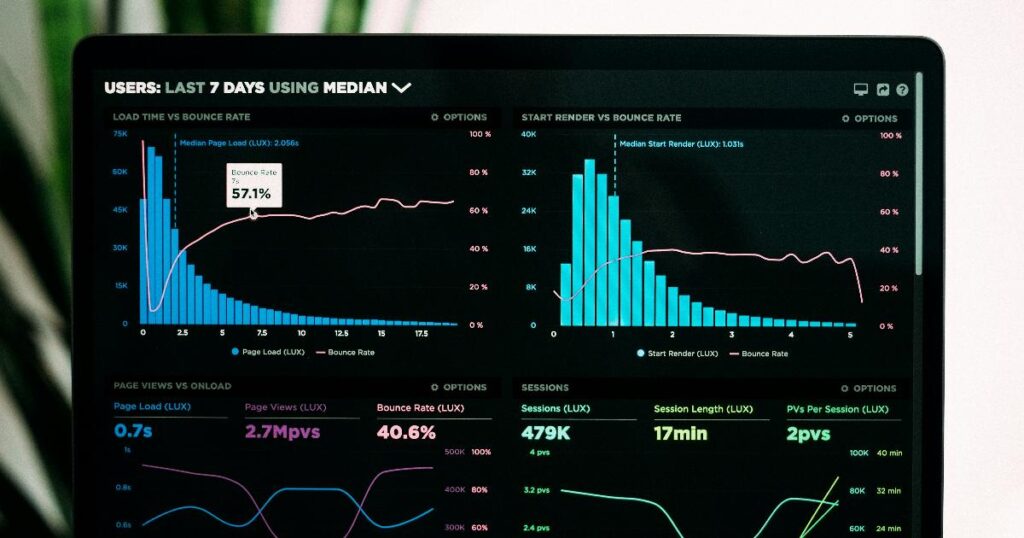
Dashboard showing an LLM release gate with drift, shadow traffic, and canary checks for the focus_keyword
Cybersecurity

When “All Tests Passed” Still Means You Shipped a Broken AI

A Friday deploy can look flawless: every unit test green, every integration check passing, the dashboard practically applauding itself. Then Monday morning arrives, and the system has been quietly telling customers the wrong price all weekend. Nothing crashed. Nothing errored. It just got worse in a way no traditional test was built to notice.

A laptop screen showing cybersecurity compliance documents and a software inventory for the EU Cyber Resilience Act
Cybersecurity

When Software Grows a Legal Spine: Inside the EU’s Cyber Resilience Act

For years, building secure software in Europe meant following your own conscience — or your customer’s contract. You could ship a container image with no software inventory, patch vulnerabilities on whatever schedule suited you, and disclose flaws only if you felt like it. Good teams did better than that anyway, because it was good engineering. But nothing in EU law forced anyone to. The Cyber Resilience Act (CRA) changes that calculus: it takes practices security-conscious teams already knew were “best practice” and turns them into conditions for selling a product in Europe at all.

Security analyst reviewing event security threat intelligence for fake domains and online chatter linked to a major venue
Cybersecurity

When a Fake Ticket Site Is the First Sign of a Real-World Threat

Weeks before a stadium fills or a parade route closes to traffic, a different kind of activity is often already underway: someone registers a domain that looks almost like the official event site, a scam vendor lists a “sold out” hotel room that doesn’t exist, and a name that matches a VIP’s travel schedule surfaces in a chat channel nobody official is watching. None of that looks like a security emergency. But taken together, these small digital traces are frequently the earliest form of warning that a major event’s security team will ever get — long before anyone reaches a checkpoint.

Scroll to Top