Cybersecurity

A laptop screen showing cybersecurity compliance documents and a software inventory for the EU Cyber Resilience Act
Cybersecurity

When Software Grows a Legal Spine: Inside the EU’s Cyber Resilience Act

For years, building secure software in Europe meant following your own conscience — or your customer’s contract. You could ship a container image with no software inventory, patch vulnerabilities on whatever schedule suited you, and disclose flaws only if you felt like it. Good teams did better than that anyway, because it was good engineering. But nothing in EU law forced anyone to. The Cyber Resilience Act (CRA) changes that calculus: it takes practices security-conscious teams already knew were “best practice” and turns them into conditions for selling a product in Europe at all.

Security analyst reviewing event security threat intelligence for fake domains and online chatter linked to a major venue
Cybersecurity

When a Fake Ticket Site Is the First Sign of a Real-World Threat

Weeks before a stadium fills or a parade route closes to traffic, a different kind of activity is often already underway: someone registers a domain that looks almost like the official event site, a scam vendor lists a “sold out” hotel room that doesn’t exist, and a name that matches a VIP’s travel schedule surfaces in a chat channel nobody official is watching. None of that looks like a security emergency. But taken together, these small digital traces are frequently the earliest form of warning that a major event’s security team will ever get — long before anyone reaches a checkpoint.

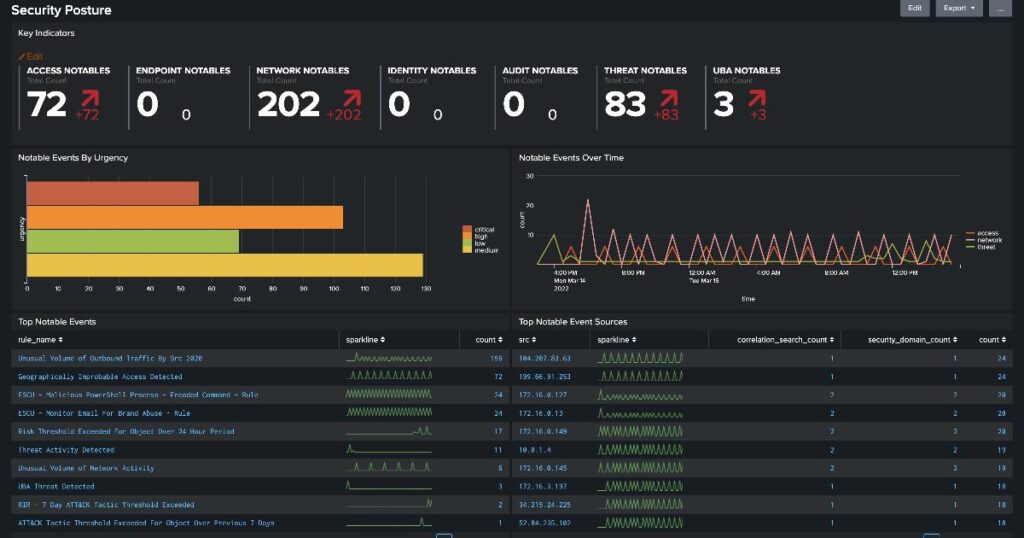
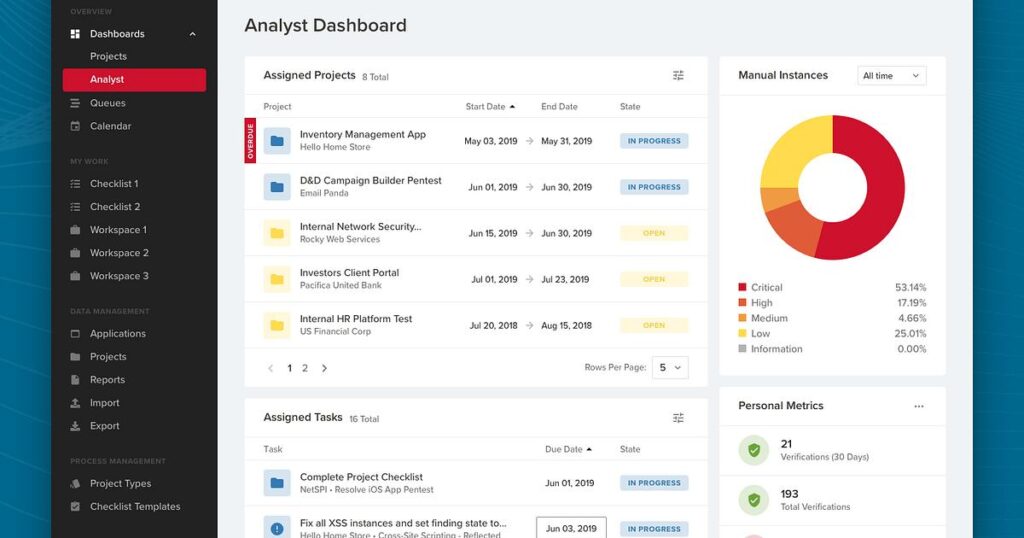
Security analyst reviewing autonomous AI pentesting results on a laptop dashboard
Artificial Intelligence

Why Security Teams Are Pulling Back from Autonomous AI Pentesting

A year ago, nearly one in three security professionals believed that fully autonomous AI systems could handle their organization’s penetration testing needs. Today, that number has collapsed to just 9%. The speed of that reversal is telling — not because AI-powered security tools have stopped improving, but because the gap between what they were marketed to do and what they actually deliver in practice has become impossible to ignore.

Scroll to Top