That is the core argument now circulating among security professionals who plan for World Cups, national anniversaries, and stadium concerts: guarding the gate is necessary but no longer sufficient. The real work increasingly starts online, in places that have nothing to do with turnstiles or metal detectors.
The Event Is Bigger Than the Venue
A major event doesn’t just fill a stadium — it temporarily creates an entire economy around it: ticketing platforms, resale markets, hotel booking systems, transit apps, sponsor promotions, media credentials, and vendor payment systems that spring up and dissolve within weeks. Each of those systems is a potential entry point, and few of them are run by the event organizer directly.
Security analysis of the 2026 FIFA World Cup illustrates the scale of this shadow ecosystem well. Rather than one attack surface, researchers describe a patchwork of loosely connected systems — ticket resellers, hospitality portals, sponsor microsites, streaming apps — any one of which can be spoofed or compromised without ever touching FIFA’s core infrastructure. The event doesn’t need to be "hacked" for real harm to reach fans, staff, or attendees; a single convincing fake ticketing page can do that on its own.
This is the shift at the heart of modern event security: attention has to move from "protecting the venue" to "watching the ecosystem," because that’s where risk actually accumulates first, according to threat-intelligence practitioners who assess major gatherings.
Vienna: When Online Chatter Became a Public Safety Decision
The clearest illustration of why early digital signals matter came in 2024, when a plot targeting a Taylor Swift concert series in Vienna was disrupted before any concert took place. According to threat-intelligence accounts of the case, the warning did not originate at the venue or on the day of the show — it surfaced from online sources, including Telegram, giving authorities time to act.
The lesson isn’t that every event faces a threat of that severity — it plainly doesn’t. It’s that the window for meaningful action opens earlier online than it does at the perimeter. By the time a threat is visible to venue cameras or bag checks, the option to prevent it rather than merely respond to it has often already closed.
| Security layer | What it covers | Typical digital or physical signal | Risk it can reveal |
|---|---|---|---|
| Venue perimeter | Cameras, screening, access control | Suspicious behavior at entry points | Immediate physical threats |
| Hotels & travel | Bookings, transit, delegation movements | Compromised reservation systems, leaked schedules | Targeting of VIPs or crowds off-site |
| Vendors & sponsors | Ticketing, merchandising, payment processors | Fake storefronts, phishing emails, exposed credentials | Fraud that can escalate to identity or corporate compromise |
| Online communities | Forums, social media, messaging apps | Hostile chatter, coordinated disruption plans | Early warning of organized physical action |
| Brand & domains | Official web presence | Typosquatting, lookalike domains | Impersonation feeding fraud and data theft |
From a Fake Domain to a Real-World Response
The pattern behind these layers tends to follow a recognizable chain. A cheap, low-effort action online — registering a lookalike domain, a piece of typosquatting where a domain differs from the real one by a single character or extra word — can, if left unnoticed, eventually feed into something that affects people on the ground.
flowchart LR
 A[Fake domain or leaked schedule] --> B[Impersonation or credential theft]
 B --> C[Exposed VIP or crowd data]
 C --> D[Analyst validates real-world risk]
 D --> E[Physical security team acts]
Security firms tracking World Cup-related fraud found tens of thousands of newly registered tournament-themed domains in just a few months, with a meaningful share flagged as malicious — evidence that this pre-positioning is not hypothetical but measurable. Basic email-authentication hygiene, such as DMARC records that tell mail providers how to handle spoofed messages, is one of the more mundane but effective defenses against the impersonation stage of that chain — yet analysis of sponsor domains found many organizations had only partial protection in place.
A Simple Way to Think About It: Watch, Correlate, Validate, Escalate
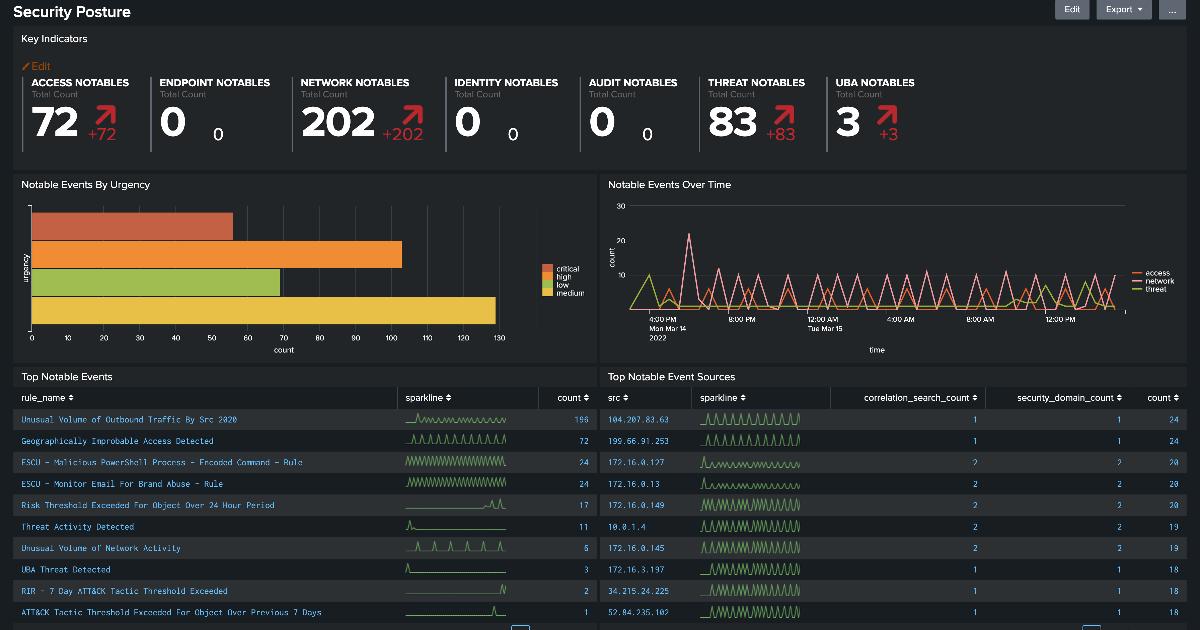
None of this requires organizers to chase every online rumor — that would paralyze any team. The more workable framework, drawn from how experienced threat-intelligence teams operate, is to watch broad digital channels for relevant signals, correlate isolated signals into a pattern, validate which patterns represent genuine risk, and escalate only those to physical security decision-makers. AI-assisted monitoring tools now help teams process the sheer volume of public chatter faster than analysts could alone, but the judgment about what matters still rests with people.
The Takeaway
Digital monitoring cannot catch every threat, and no event — however well-monitored — is risk-free by default. What changes when cyber intelligence and physical security are planned together, rather than as separate workstreams, is timing: teams get a chance to act before a risk reaches a crowd, instead of discovering it once it already has. That shift, more than any single tool or vendor, is what "safe" increasingly means for the events crowding this year’s calendar.