
Microsoft

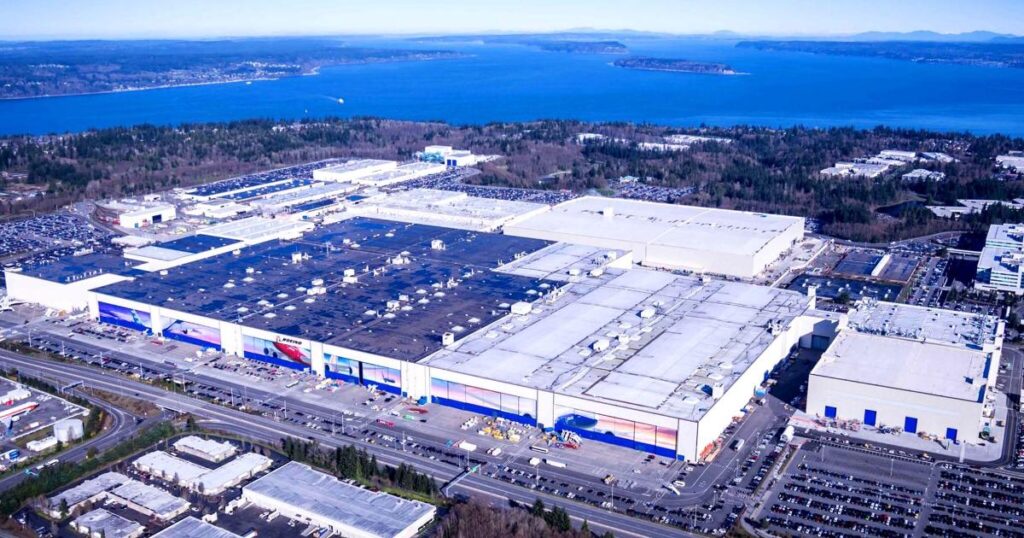
Aerial view of a modern aerospace factory in Washington, reflecting the Pacific Northwest tech economy and its shift toward hardware and AI
Tech Market

Two Headlines, One Region: What Microsoft’s Exits and Shield AI’s Factory Plan Say About the Pacific Northwest

In the same week, two stories moved through the Pacific Northwest tech press that seemed to describe entirely different worlds. One was about a 61-year-old research veteran quietly stepping away from Microsoft after 16 years. The other was about a venture-backed startup breaking ground on a 420,000-square-foot factory to build a fighter jet with no need for a runway. Read separately, they’re just news. Read together, they sketch something more interesting: a regional tech economy that is no longer defined by one company’s software empire, but by a widening mix of AI, hardware, and industrial bets — each with its own timeline, risk, and reward.
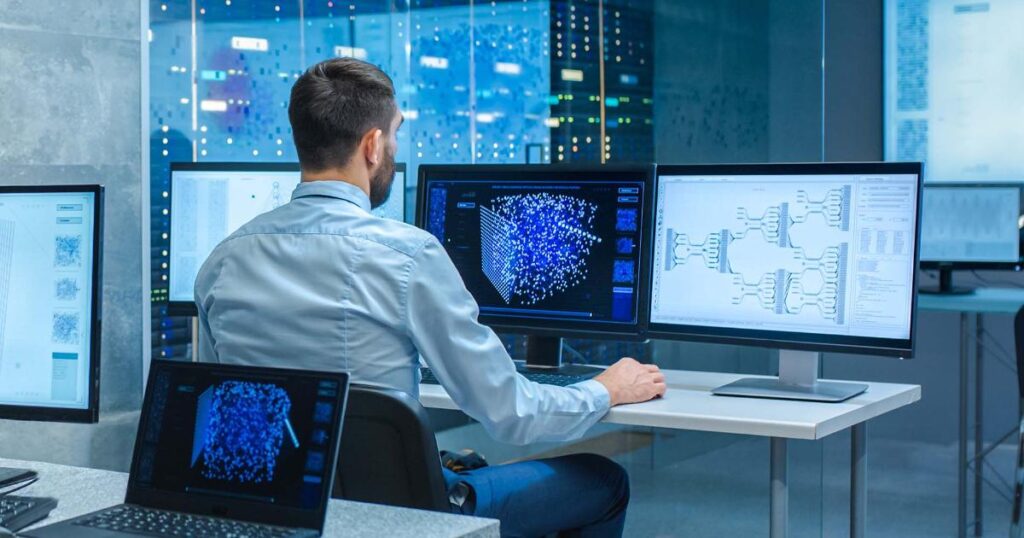
Engineers working with enterprise data systems to embed AI into business workflows, showing how the focus keyword connects technology and operations.
Data

Why Microsoft Is Betting $2.5 Billion on Engineers, Not Algorithms

When Microsoft announced its new “Frontier Company” this year, the headline number — $2.5 billion — sounded like another AI infrastructure story. It isn’t, really. The money isn’t buying chips or data centers; it’s buying people, specifically 6,000 engineers whose job is to sit inside customer companies and make existing AI tools actually work. That distinction matters more than it first appears, because it points to a quiet but important shift in how the AI industry is trying to solve its biggest unsolved problem: getting AI to change how a business actually operates, not just how many software licenses it buys.

Scroll to Top