
Penetration Testing

Security analyst reviewing an attack path validation dashboard beside critical vulnerability findings
Cybersecurity

When a “Critical” Vulnerability Isn’t Your Real Problem

A vulnerability scanner is very good at one thing: telling you that something is broken. It is much less good at telling you whether that broken thing actually matters — whether an attacker sitting outside your network could ever reach it, use it, and turn it into a foothold worth having. That gap between “this exists” and “this is dangerous” is where a growing number of security teams are now focusing their attention, and it’s reshaping how penetration testing itself gets done.
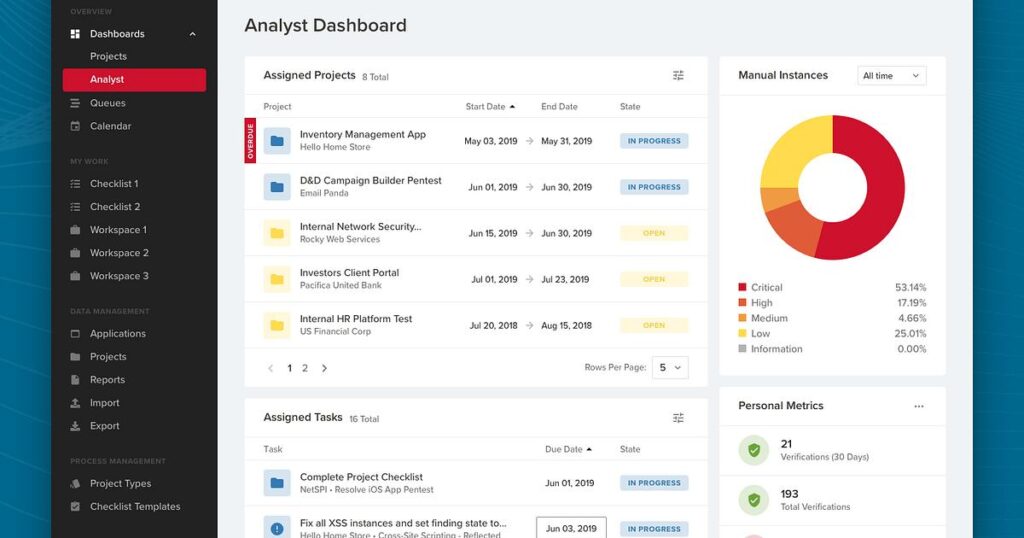
Security analyst reviewing autonomous AI pentesting results on a laptop dashboard
Artificial Intelligence

Why Security Teams Are Pulling Back from Autonomous AI Pentesting

A year ago, nearly one in three security professionals believed that fully autonomous AI systems could handle their organization’s penetration testing needs. Today, that number has collapsed to just 9%. The speed of that reversal is telling — not because AI-powered security tools have stopped improving, but because the gap between what they were marketed to do and what they actually deliver in practice has become impossible to ignore.

Scroll to Top