
data privacy

A data engineer reviewing protected customer records in an AI data strategy workflow, balancing privacy with usable data
Data

The Privacy Trap Hiding Inside Your AI Data Strategy

Imagine spending months locking down a customer database — masking every name, scrambling every account number — only to discover that your AI model now can’t tell which orders belong to which customers. The data is safe. It’s also useless. This is the quiet tension surfacing across enterprises racing to deploy AI: the same protections meant to reduce risk can also strip away the very qualities that make data worth analyzing in the first place.
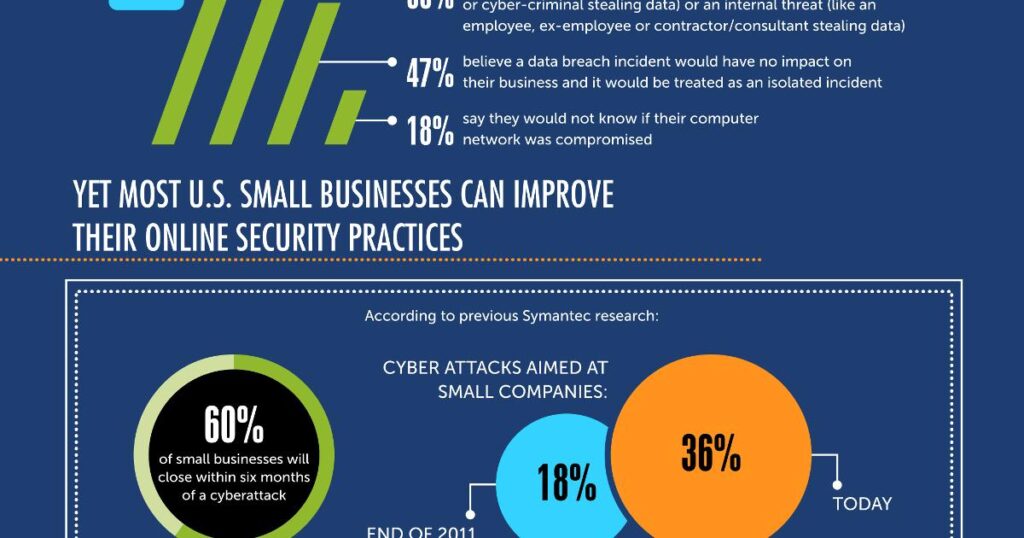
A small business owner reviewing cybersecurity alerts, illustrating how the cybercrime survey shifts risk toward SMBs
Cybersecurity

Fewer Victims, More Fallout: What Australia’s 2025 Cybercrime Survey Really Shows

Imagine two neighbours in the same suburb. One runs a household budget, banks online, scrolls social media — and this year faces a slightly lower chance of being scammed, hacked, or harassed than last year. The other runs a small accounting firm from the spare room, and this year faces a much higher chance of legal headaches, staff turnover, and sleepless nights if a cyber incident hits. Both live under the same laws, use the same internet, and read the same headlines about falling cybercrime. Yet their experiences of risk are moving in opposite directions — and that split is not an accident. It’s a signal of how digital protection is being rebuilt.

Scroll to Top