Cloud Services

Service mapping diagram linking cloud services, ownership, and monitoring for faster cloud outage response
Cloud Services

What Broke, Who Owns It, and What Depends on It: The Hidden Map Behind Every Cloud Outage

When a checkout page freezes or a mobile banking app stalls, the first minutes of the incident rarely involve fixing anything. They involve figuring out what actually happened — which system failed, what else it touches, and which team can act on it. In a cloud environment built from dozens of interconnected services, that question alone can take longer to answer than the fix itself. This is the gap that service mapping is meant to close, and it explains why a growing number of operations teams treat it not as documentation but as infrastructure in its own right.

A developer reviewing a GitHub outage dashboard on a laptop, illustrating a code hosting single point of failure
Cloud Services

When the Code Host Becomes the Single Point of Failure

For eighteen years, Mitchell Hashimoto opened GitHub every single day. He built his career practically inside it, joked as a 20-year-old that maybe the company would hire him if his open-source project was good enough, and treated the platform the way most of us treat electricity — a utility so reliable it disappeared into the background. Then, in April 2026, he announced he was moving his terminal emulator project, Ghostty, off GitHub entirely. “I want to ship software and it doesn’t want me to ship software,” he wrote. That sentence, more than any ideological complaint, is the real story here — and it’s a story about infrastructure, not politics.

A developer using a terminal command line on a laptop to access cloud services and automate tasks
Cloud Services

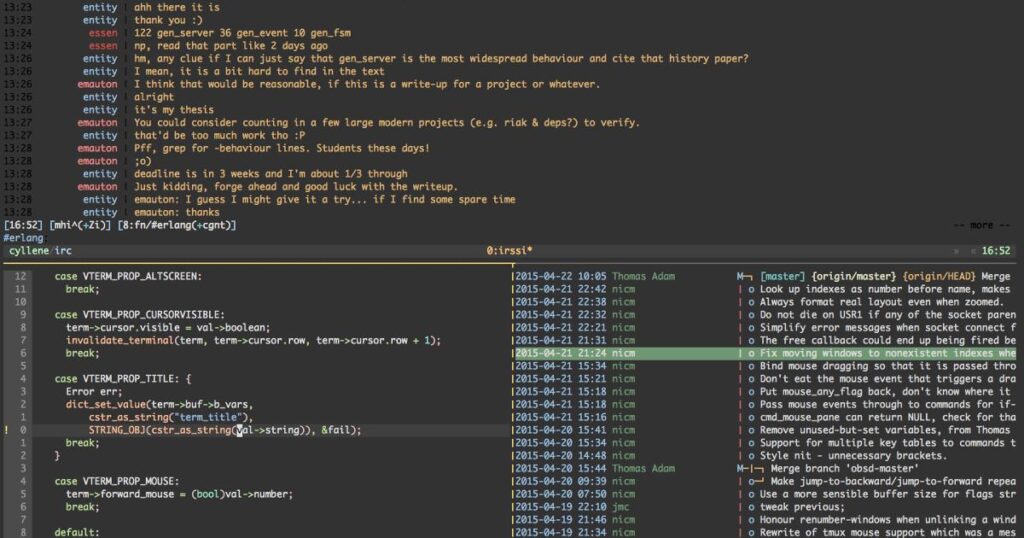
Why Techies Type Instead of Click: The Terminal as a Cloud-Era Shortcut

If you’ve ever watched someone check the weather, run a speed test, and convert a video file without ever opening a browser tab, you’ve seen a habit that looks like a magic trick but is really just a different way of asking the same question. The terminal — that plain text window many people associate with hackers in movies — has quietly become a practical front door to services that also happen to live on the web. Understanding why reveals something useful about how cloud-era tools are actually built.

Scroll to Top